
What are fuel emissions?

When fuel is consumed, substances are emitted into the air. Not all of these are harmful, but when fossil fuels are burned they release both heat energy as well as harmful substances. Fossil fuels (coal, oil and natural gas) were formed from the remains of living organisms millions of years ago.
We burn fossil fuel worldwide to create energy, particularly to fuel cars and planes. Carbon dioxide in a natural cycle is re-absorbed by plants, but we are producing it at such a rate that this isn’t possible. The carbon dioxide emitted from burning these fuels add to the greenhouse gases, which is contributing to global warming. Greenhouse gases are made up of:
- Carbon dioxide
- Water vapour
- Methane
- Nitrous oxide
- Ozone
- CFCs
These emissions are not only harmful to our environment, they are also harmful to our lives and the lives of other living organisms.
What is global warming?
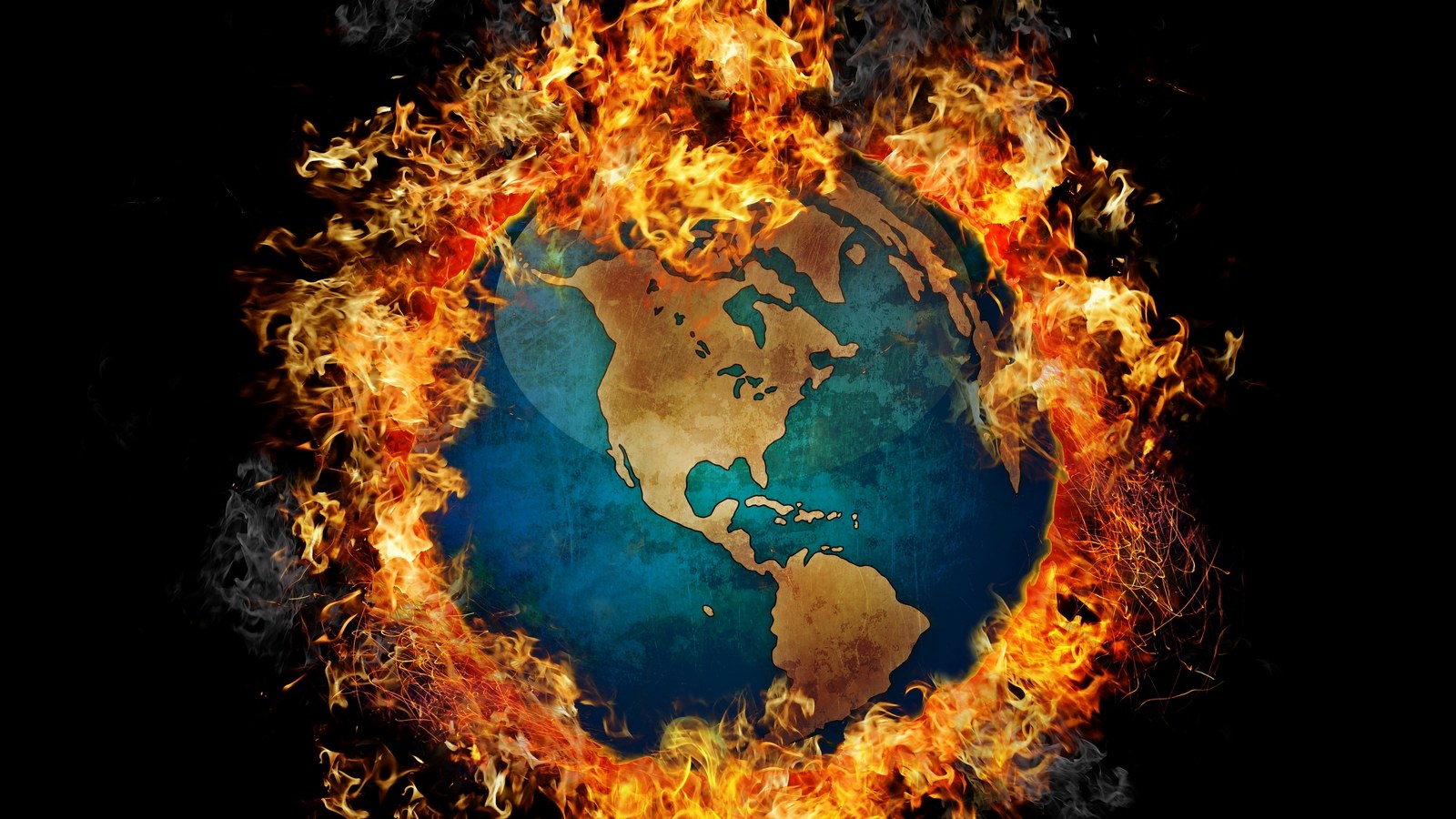
Global warming is the rising temperature of the Earth’s atmosphere. The Earth has a blanket of gases surrounding it; this regulates the temperature of the planet warmed by the sun’s rays. Producing extra green house gases increases the thickness of the blanket, which means too much heat is kept in – causing global warming. Extra greenhouse gases are produced from pollution, during activities such as burning fossil fuels and cutting down rainforests/forests. Animals are also contributing to this pollution, as their waste lets off methane. Global warming could cause drastic effects to our planet, just some of these would be:
- Rising sea levels, causing coastal cities to flood
- Droughts would occur meaning it’s harder to grow crop, and we would have less drinking water
- Climate change could mean that storms, tornadoes and hurricanes are more frequent
Fuel emissions from cars
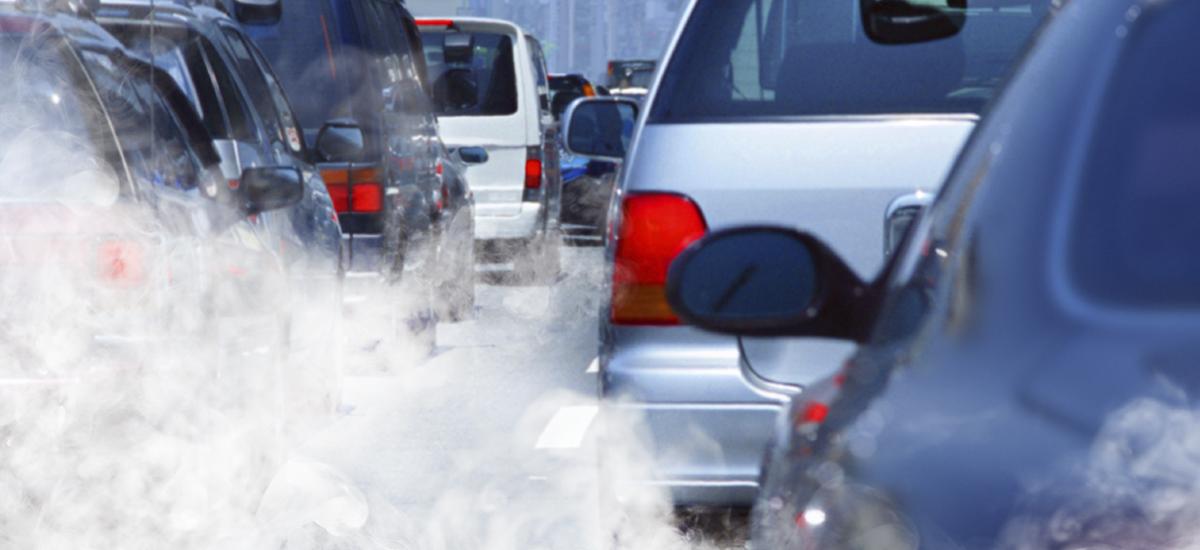
Vehicles are a major contributing factor to global warming. There is an ongoing debate between petrol and diesel cars and which among these is best for the environment.
Petrol
When petrol burns the carbon and hydrogen separate, and it’s the carbon combining with oxygen that creates carbon dioxide – a greenhouse gas. Petrol cars also emit more carbon monoxide and hydrocarbons than diesel cars. Emissions from a car are highest when the engine is cold, and petrol cars take much longer to warm up to operate at maximum efficiency when compared with a diesel car.
Petrol cars with catalytic converters emit a much lower level of emissions than regular petrol cars. These catalytic converters oxidise pollutants, which means less levels of carbon monoxide, hydrocarbons and nitrogen oxides but with a cost of higher levels of carbon dioxide. This means that a catalyst car is ultimately less efficient.
Diesel
Diesel cars are more efficient to run compared to any petrol car. When compared with petrol cars without a catalyst, diesel contains lower emissions of carbon monoxide, hydrocarbons and nitrogen oxides. Compared with catalyst petrol cars, diesel has much higher emissions of nitrogen oxides and particulate matter, which have a bigger effect on the urban air quality, contributing to issues such as smog.
Alternative solutions
Oil is becoming harder to extract which means burning fuel will become dirtier. To reduce these emissions some cleaner versions of petrol and diesel are now being distributed, ultra-low sulphur petrol is available in the UK for example. City diesel (a petroleum based lower emission diesel) is also available in the UK, which reduces particulate emission greatly. This entails using cleaner extraction techniques. There are also other alternative fuels such as compressed natural gas, hydrogen, and battery operated vehicles. Using electric cars, if the electricity comes from renewable sources, will produce zero emissions.
Fuel emissions from planes
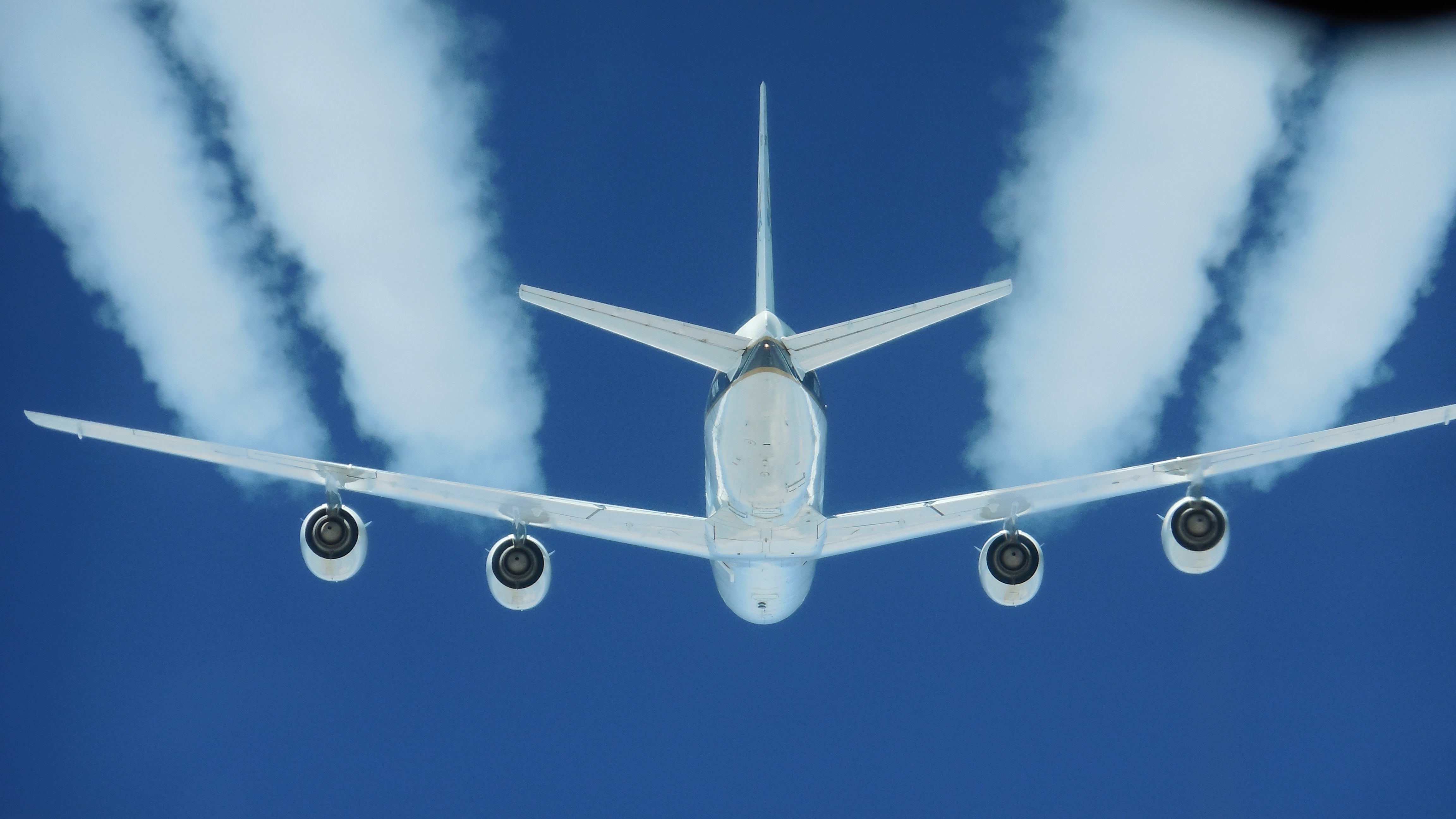
Fuel emissions from planes are a massive contributing factor to climate change. According to statistics, aviation makes up for approximately 6% of carbon dioxide emissions in the UK, and around 12% of the UKs contribution to climate change. Aircraft emissions account for around 3% of the EU’s total greenhouse gas emissions. Travelling by plane has a greater climate impact per passenger kilometre than any other form of transport. This is due to not only its carbon dioxide emission but also because of the altitude at which emissions such as vapour trails and ozone production occur. There is a bigger atmospheric effect at this height. Airplanes use kerosene fuel, burning this release:
- Carbon dioxide
- Water vapour
- Nitrous oxides
- Sulphate
- Soot
The water vapour that is released from the burning jet fuel at high altitude forms ‘contrails’, which can be seen in the sky behind airplanes. They are mainly made up of water droplets and ice, but they are harmful because they trap heat that would usually escape from the Earth – this is particularly prevalent during night flights because in the daytime contrails do reflect some sunlight away from the Earth.
There are conflicting reports surrounding aviation travel. A paper published in the journal Environmental Science and Technology, looks just at the environmental impact over the next five years, and states that planes currently account for more global warming than all the cars on the world’s roads. This is because short-term effects such as contrails are significantly worse than car emissions. However, from a longer stance, the paper also looks at the effect in 20 years, the nitrous oxide pollution will cause a cooling effect as it destroys methane in the air – meaning aircraft could be a greener way to travel. However the International Civil Aviation Organisation (ICAO) have predicted that by 2050 aviation emissions will be 300-700% higher than 2005.
Aircraft technology has reached its limit in terms of fuel efficiency, and to redesign a new airplane is not a cost effective solution at this present time. With the aviation industry growing we can only expect that the climate change problem will too. Unfortunately, emissions from planes aren’t regulated as tightly as other transportation methods, international flights aren’t counted, even though the large majority of emissions comes from these flights. The Special Report on Aviation and the Global Atmosphere, which was prepared at ICAO’s request by the Intergovernmental Panel on Climate Change (IPCC) details aviation’s contribution to global warming problems. This report reveals that some impacts of aircraft emissions are not fully understood. The report also reveals that aviation industry’s carbon dioxide emissions is approximately 2% of the Global Greenhouse Emissions, and this is expected to grow by around 3-4% each year.
What is being done to reduce emissions/how can I help?
The Kyoto Protocol was adopted in 1997 but didn’t enter into force until 2005. It is an international agreement linked to the United Nations Framework Convention on Climate Change, which sets internationally binding emission reduction targets. The protocol recognises that due to the industrial activity in developed countries, they are chiefly responsible for the current levels of greenhouse gas emissions, and so developed nations should accept more liability.
This link shows car fuel data http://carfueldata.direct.gov.uk/. By choosing a car with better gas mileage, sharing car trips with others, or walking/biking/using public transport where possible, will help reduce your carbon footprint. To reduce your impact on aviation emission you can; choose to only fly during the daytime, fly economy and pack light.